Winter RV Camping in Georgia: Tips for Staying Warm in Cold Snaps
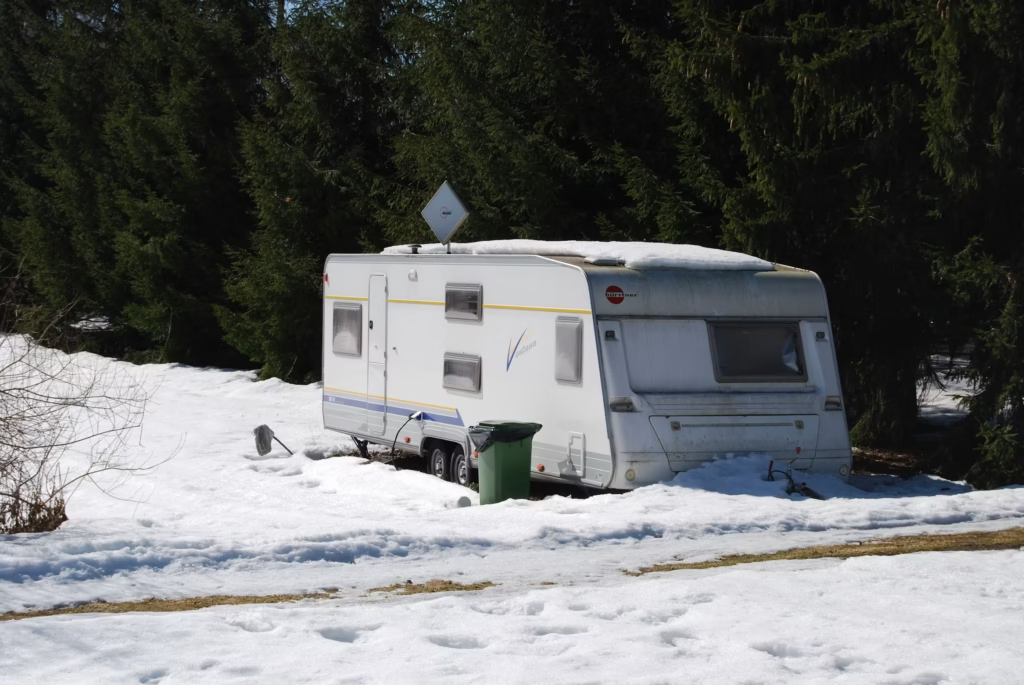
Winter RV camping in Georgia takes a little preparation, especially when overnight temperatures approach freezing. A reliable heating system, protected water connections, and a plan for changing weather can help you stay comfortable without spending your trip worrying about the next cold night.
For a stay in Forsyth, focus on the conditions expected during your visit and what your particular RV can handle. A comfortable living area doesn’t necessarily mean your outdoor hose, holding tanks, or plumbing compartments are protected.
Plan Your Winter Stay Around Overnight Conditions
Before packing, check more than the afternoon forecast.
Watch the Overnight Low and Length of the Freeze
An afternoon outside your RV can feel pleasant while the overnight forecast calls for freezing temperatures. Check the hourly forecast for your destination, your travel route, and the morning you plan to leave. Pay attention to how long temperatures are expected to remain below freezing, along with rain, wind, and possible ice.
The National Weather Service’s guide to understanding winter weather alerts explains the difference between watches, warnings, and advisories. If hazardous conditions are expected, give yourself room to delay travel rather than keeping a reservation schedule at the expense of a safe drive.
Confirm Campground Services Before Booking
When choosing a year-round RV park in Georgia, ask which facilities and water connections will be available during your dates. Being open year-round doesn’t mean every seasonal amenity operates throughout winter.
Confirm the electrical connection your RV needs, ask about freeze-weather water procedures, and find out whom to contact if conditions change. Before departure, review guest information before arrival so you can plan check-in and get settled with daylight to spare.
Keep Your RV Warm Without Creating New Problems
A comfortable night starts with understanding how your RV’s heating system works.
Test Your Furnace Before the Trip
Run your furnace before leaving home and arrange service if it isn’t operating normally. Check your propane supply and battery condition according to your owner’s manual. A propane furnace commonly needs electrical power for its controls and blower, so having fuel alone may not be enough.
Check whether your furnace also heats plumbing compartments. In some RVs, replacing furnace use with an electric heater can leave those areas without the heat they need. Follow your manufacturer’s cold-weather instructions rather than assuming every part of the RV stays warm with the living space.
Use Supplemental Heat Carefully
If your RV manufacturer permits an electric space heater, follow the heater’s instructions, maintain its required clearance, and keep it away from bedding, curtains, pets, and walking paths. Plug it directly into an appropriate outlet rather than an extension cord or power strip, and turn it off before sleeping or leaving.
Avoid running several high-demand appliances on the same circuit. The U.S. Fire Administration’s RV fire and carbon monoxide safety guidance warns against overloaded outlets and emphasizes clear escape routes, accessible extinguishers, and safe generator exhaust positioning. Test smoke and carbon monoxide alarms before your trip, and never use your stove or oven as a room heater.
How to Prevent RV Pipes From Freezing
Protecting your water system involves more than the hose between your RV and the campground faucet.
Check Your RV’s Freeze-Protection Features
Before cold weather RV camping, identify where your freshwater tank, supply lines, holding tanks, and dump valves sit. Find out which areas receive furnace heat and whether your RV has tank heaters or other manufacturer-installed protection. Features differ between models, so follow the instructions for your specific setup.
The RV Industry Association’s cold-weather RV preparation tips discuss exposed plumbing, insulation, and heated water hoses while advising owners to consult their manuals. Full hookups provide connections; they don’t automatically provide freeze protection. Reviewing what full-hookup RV camping includes can help you separate campground services from the equipment you need to bring.
Decide Whether to Use a Heated Water Hose
A heated water hose for RV use can help protect the freshwater supply hose when installed and powered according to its instructions. Choose a drinking-water-safe product rated for the expected conditions, and follow its requirements for electrical connections and any additional insulation.
However, the hose may not protect the campground faucet, filter, pressure regulator, or your RV’s internal plumbing. Ask the campground how it handles freezing weather before leaving a connection in place overnight. If instructed to disconnect, drain and store your hose; use your onboard supply only if your tank and plumbing are suitable for the conditions.
Include Tanks, Valves, and Sewer Equipment
If you’re wondering how to keep RV water lines from freezing, look beyond the freshwater side. Wastewater equipment also needs attention. Follow your RV manual for tank heating and dumping, and avoid leaving sewer equipment holding standing wastewater in freezing conditions.
Don’t add automotive antifreeze to RV plumbing or improvise with heating equipment that isn’t approved for the application. If water stops flowing or you suspect a frozen line, stop using the affected system and get qualified help. Never use an open flame to thaw plumbing.
Reduce Drafts While Managing Condensation
Keeping warm and keeping moisture under control need to happen together.
Improve Comfort Around Windows and Doors
Check door weather stripping and window seals before your trip. Suitable insulated curtains, warm bedding, and floor coverings can make the living area more comfortable without continually raising the thermostat. Keep fabrics clear of heaters and furnace outlets.
Avoid blocking required ventilation, appliance vents, alarms, or emergency exits when adding insulation. The goal is to reduce unwanted drafts while allowing your RV’s systems to operate as designed.
Give Indoor Moisture a Way Out
Cooking, showering, breathing, and drying wet clothing all add moisture to a small space. During RV camping in winter, watch for condensation on windows and dampness behind cushions or mattresses. Use exhaust ventilation as needed, wipe up moisture, and allow wet items to dry somewhere suitable.
A properly sized dehumidifier may help if electrical capacity allows, but it doesn’t replace fixing leaks or following ventilation requirements. For anyone planning an extended stay in Georgia, checking less-visible corners regularly can help catch dampness before it becomes a larger problem.
Make Winter Camping in Georgia Comfortable Beyond Your RV
Good preparation should leave you more time to enjoy your stay.
Pack for Changing Conditions
Bring clothing you can layer, warm socks, weather-resistant shoes, and bedding appropriate for your RV. Keep a flashlight, charged power bank, drinking water, and essential medications accessible. Store frequently used cold-weather gear where you can reach it without unpacking an outdoor compartment after dark.
Before a cold night, check the forecast, fuel supply, and water setup again. Have a backup plan if heating or power fails, including another place to stay if your RV can’t remain safely occupied.
Keep Your Daily Plans Flexible
Plan outdoor activities for the more comfortable part of the day and leave time to return before temperatures fall. During the holiday season, you can explore Christmas events near Macon and Forsyth, checking current event schedules before heading out.
When comparing places to stay, explore the campground amenities and confirm seasonal availability. Laundry, restrooms, and other everyday facilities can be useful during a winter visit, even when you spend most of your time in your RV.
Frequently Asked Questions About Winter RV Camping
Can You Go RV Camping in Georgia During Winter?
Yes, provided your campground is open and your RV is equipped for the expected conditions. Check overnight temperatures, travel conditions, and campground services before your visit.
Do You Need a Heated Water Hose for Winter RV Camping?
It depends on the forecast, your setup, and campground requirements. A heated hose can help protect the supply hose, but other connections and plumbing may need separate protection.
Can RV Pipes Freeze While the Interior Is Warm?
Yes. Plumbing in unheated compartments or exposed areas can freeze even when the living space feels comfortable.
Is Winter Camping the Same as Winterizing an RV?
Winter camping means using your RV during cold weather. Winterizing usually involves preparing its systems for freezing conditions during storage, which may include draining plumbing.
Plan Your Winter Stay at Forsyth Station RV Resort
Forsyth Station RV Resort offers full-hookup RV sites with 30- and 50-amp service in Forsyth, Georgia, just off I-75 at Exit 186. Confirm your electrical needs, seasonal services, and cold-weather water procedures before arrival so you can prepare your RV for the forecast. Forsyth Station RV Resort, GA
Book your winter stay and give yourself time to settle in before the evening cools down.